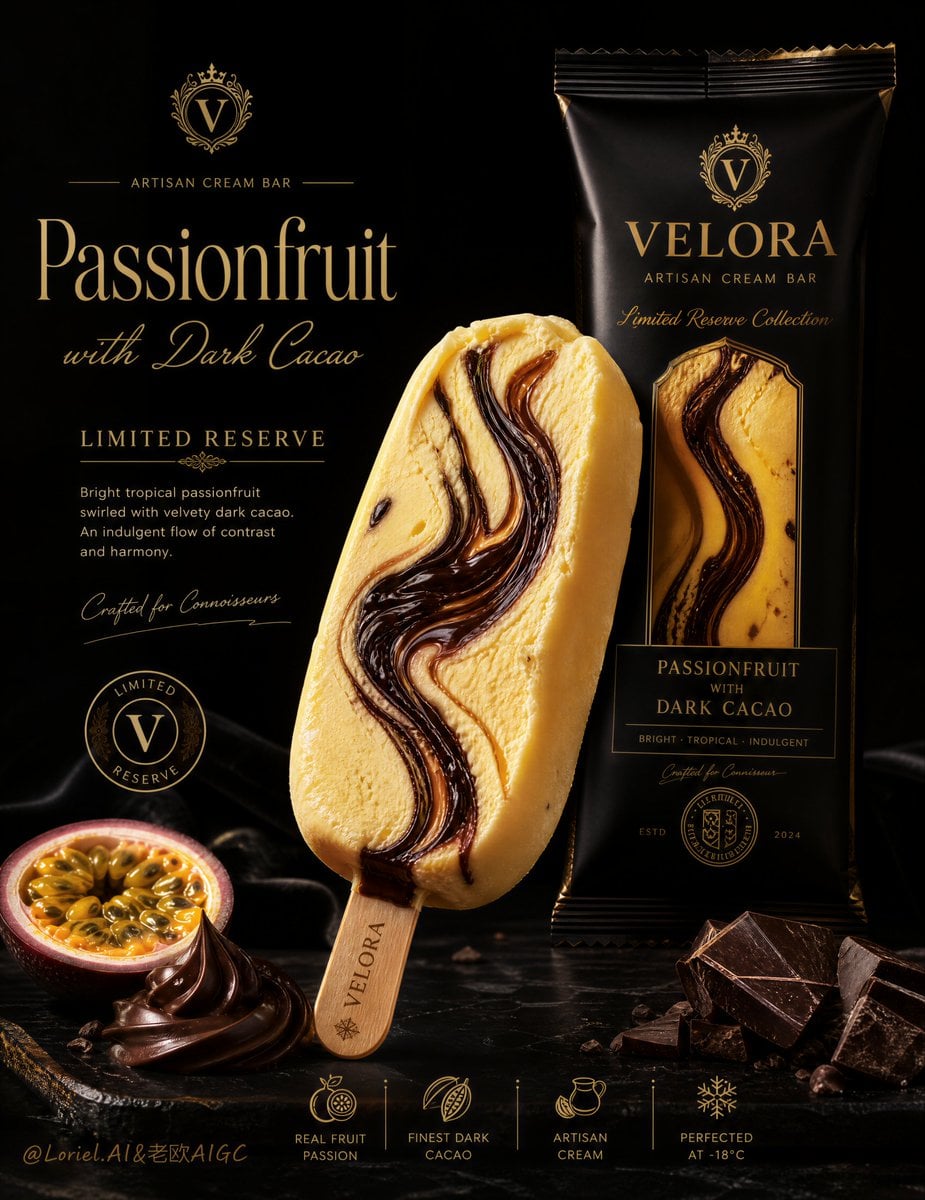
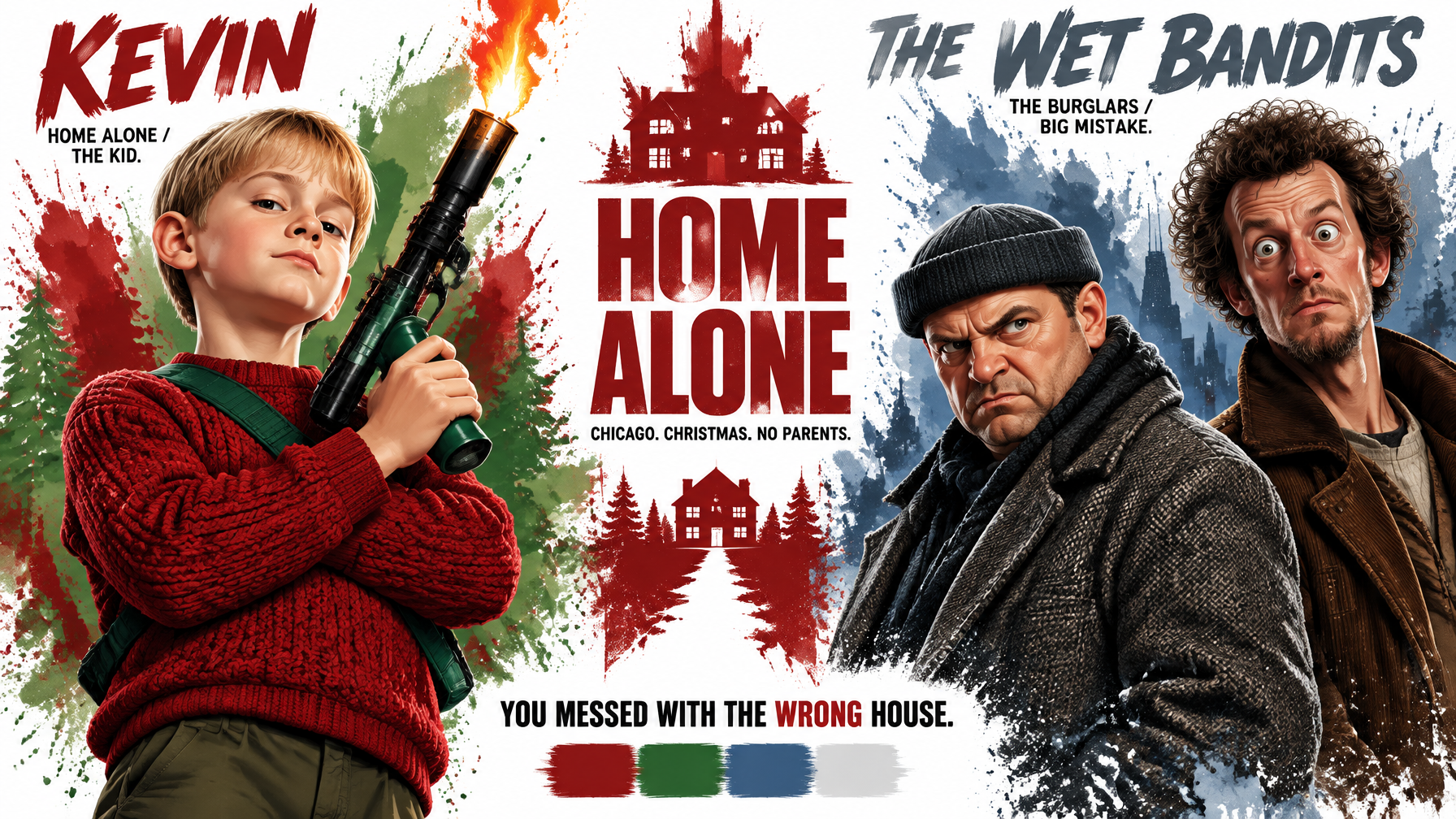
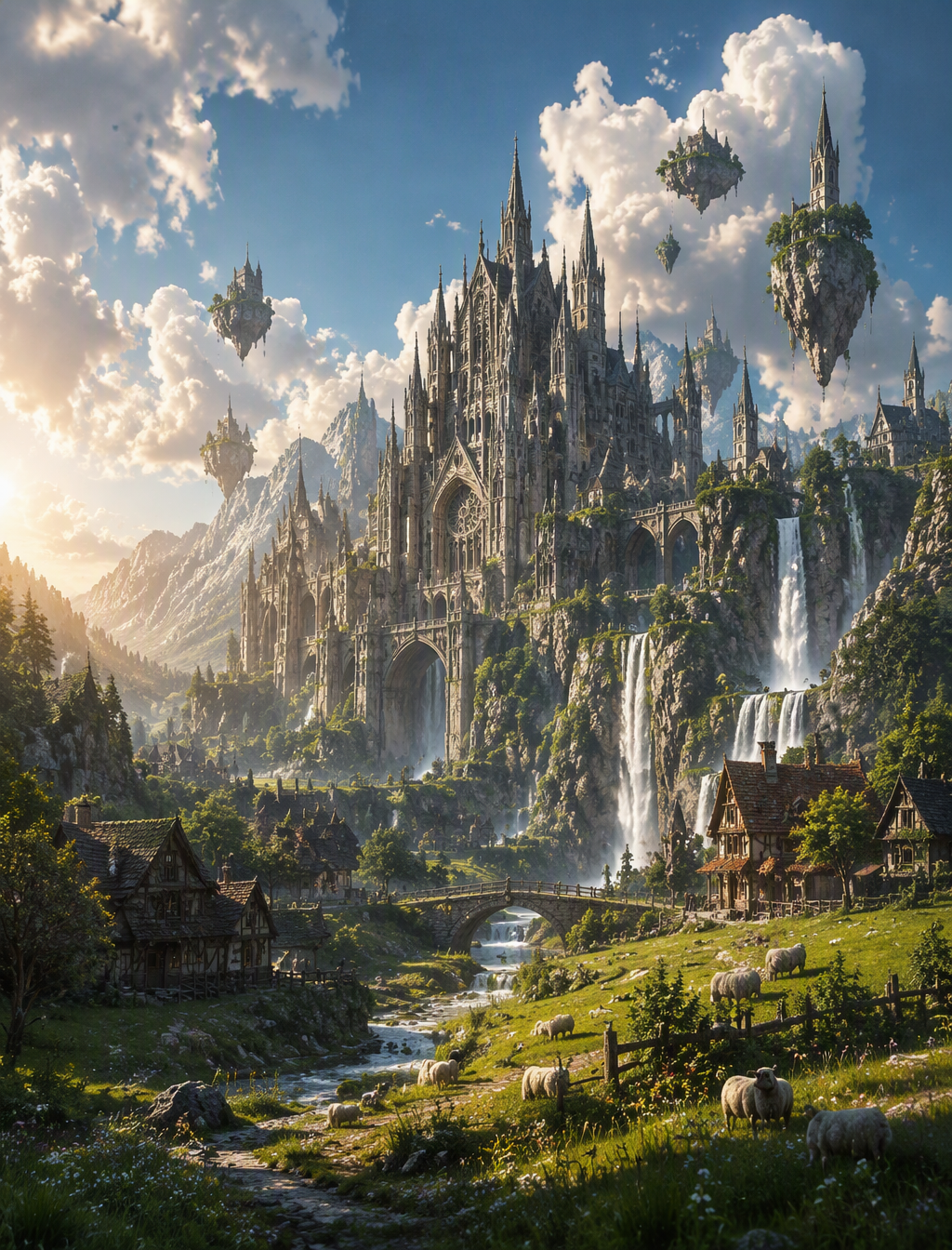
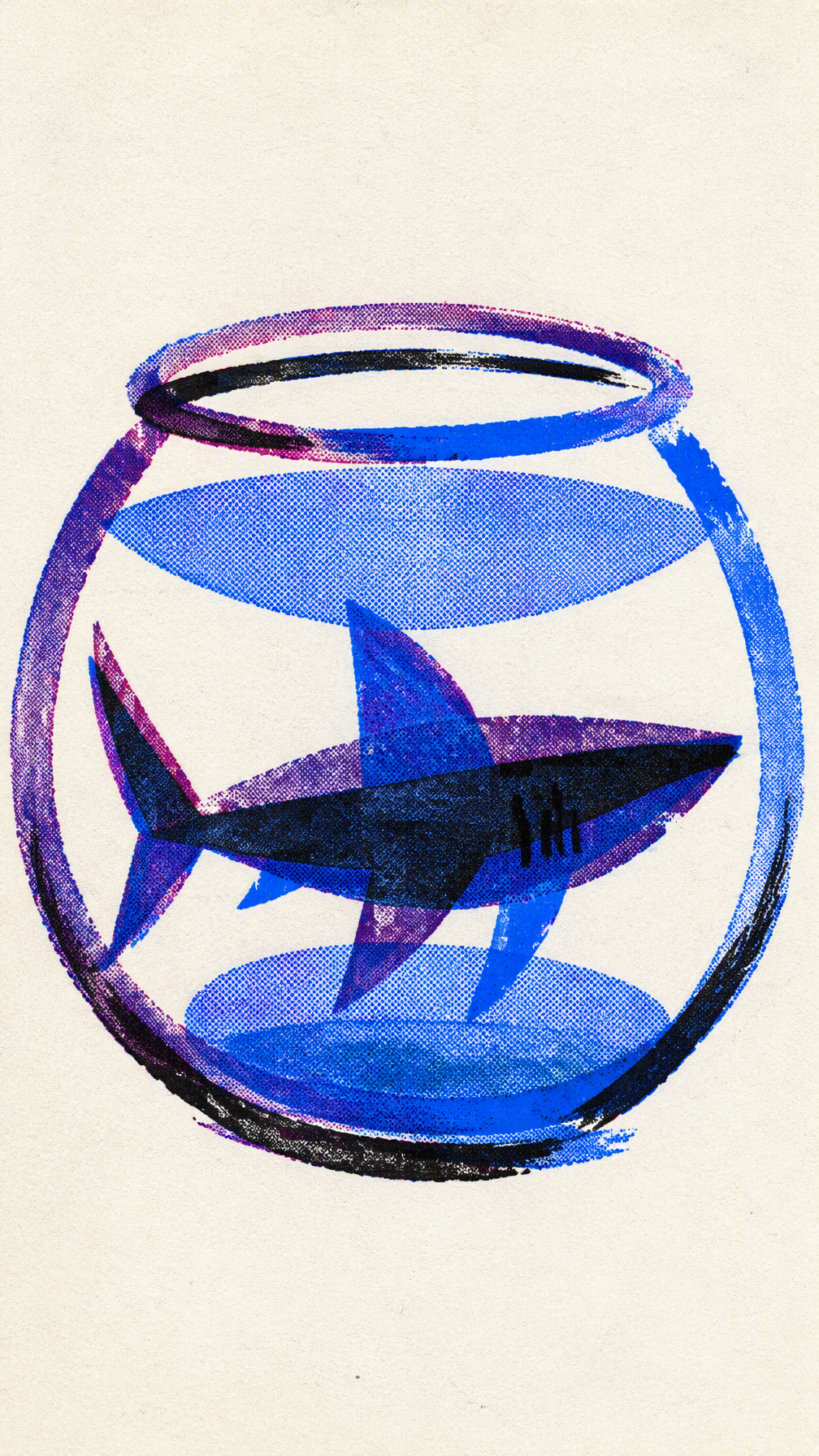
![[SUBJECT]: [Subject]](https://cdn.guidesref.com/trk_6a925a23829ca3.87994987.jpg)
![[SUBJECT]: [Subject] - alternate](https://cdn.guidesref.com/trk_6a925a2458f9a5.32899894.jpg)
![[SUBJECT]: [Subject] - alternate](https://cdn.guidesref.com/trk_6a925a2518de62.13131228.jpg)
![[SUBJECT]: [Subject] - alternate](https://cdn.guidesref.com/trk_6a925a25bc0a00.64596047.jpg)
[SUBJECT]: [Subject]
Prompt
[SUBJECT]: [Subject]
[TITLE]: [Name]
[BACKGROUND]: [Color]
[LINES]: [Color]
[TEXT]: [Text]
[FORMAT]: 9:16
Create a refined experimental poster built from a continuous field of fine parallel raster lines.
Make [Subject] feel like a hidden 3D form pushing through the line field. The subject should emerge mainly through smooth compression, expansion, bending, and negative space — not through a separate outline or realistic rendering.
Keep the subject at roughly 70–80% of the composition and use only a few large, controlled deformation zones. Away from the subject, the lines should gradually return to straight parallel form.
Prioritize line quality above everything else: extremely fine, sharp, smooth, evenly spaced, and uninterrupted curves.
Add 2–3 small typography blocks inside quieter negative spaces using minimal modern sans-serif type.
Style: Op Art, generative graphic design, experimental editorial poster, modern sculpture, refined minimalism.
Avoid broken or intersecting lines, jagged curves, chaotic ripples, excessive realism, wireframe outlines, sci-fi UI, excessive text, logos, numbering, starbursts, and sparkles.
Copy PromptCopied!